October 22, 2026
Digital vs. Paper Memory Keeping: Pros, Cons, and Simple Workflow
Memory keeping rarely fails because you lack the right supplies or the perfect app. It fails because the system asks too much of you on a Tuesday. A paper journal can feel precious, while a phone camera roll can feel like a drawer you are afraid to open. The useful question is not which method wins in theory, but which one you will still use when work runs late and the dishes are piled up.
Paper and digital do different jobs well. Most people need a little of both, plus a clear place for the messy middle: screenshots, ticket stubs, voice notes, and the half-sentence you typed at midnight. Here is a practical comparison, followed by a workflow simple enough to survive a busy month.
Paper memory keeping: texture, focus, and friction
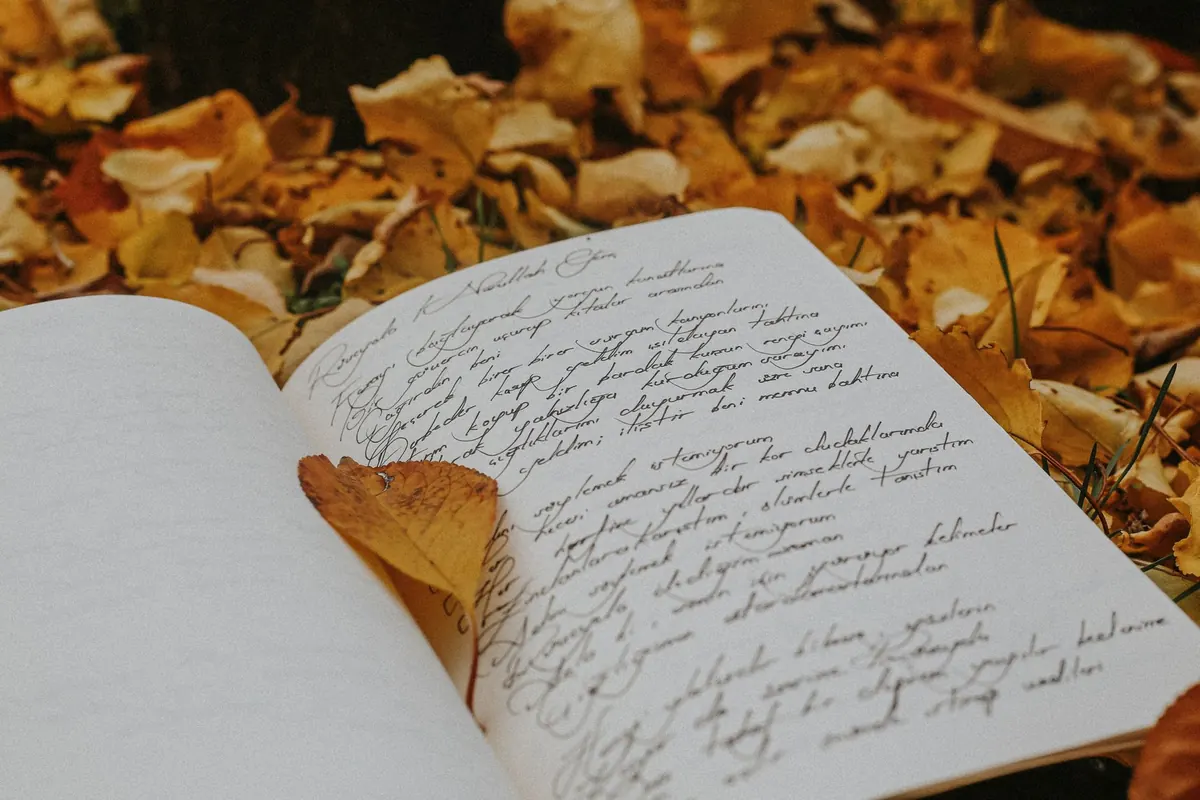
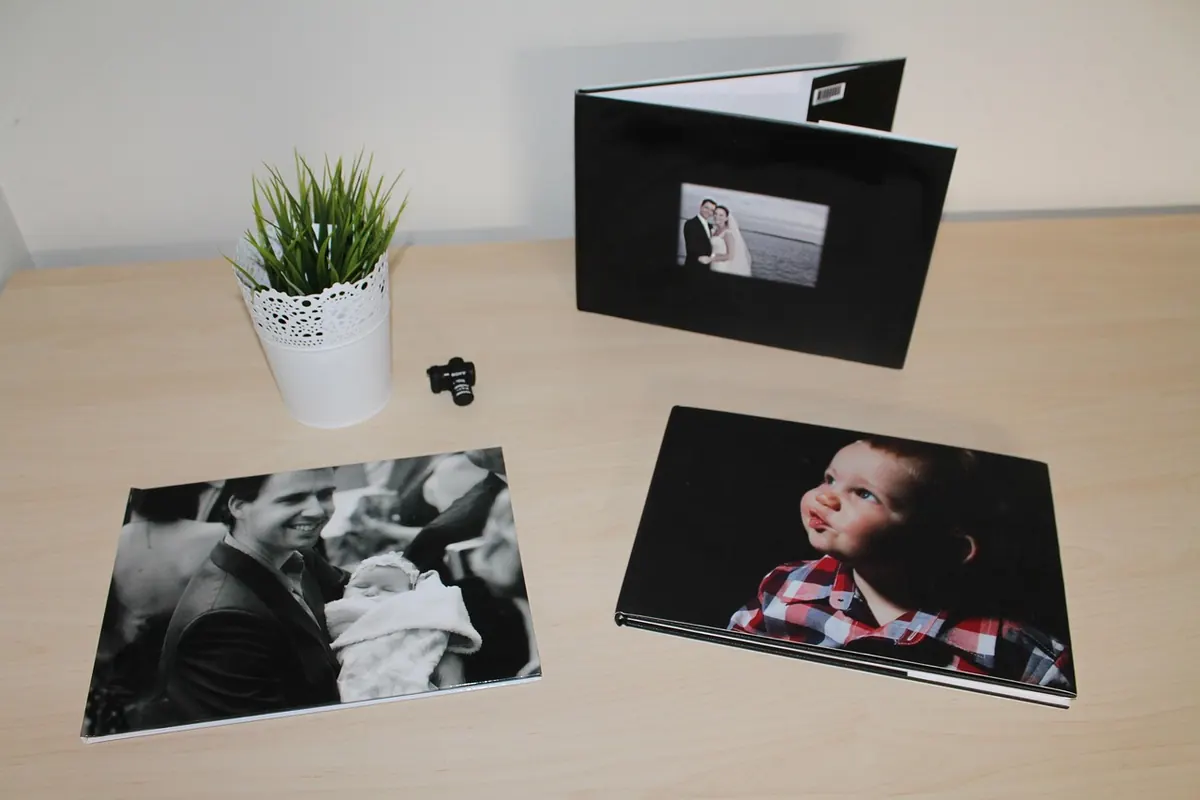
Paper slows the moment down. Writing by hand forces you to choose a few details instead of dumping everything into a folder. A five-year diary, a stack of 4x6 prints, and a roll of tape can capture a Saturday more warmly than a hundred unsorted phone photos. The physical object also has a clear boundary: when the album is closed, it is closed. No notifications, no accidental scrolling, no “I will caption these later” pile.
That friction is useful for journaling. You sit down, uncap a pen, and notice what you actually remember. A single line—“rain all day, made soup, laughed at the dog stealing the couch”—can hold more than a dozen blurry photos because it records attention. But friction cuts both ways. Paper asks for supplies, space, and a willingness to live with crooked edges and crossed-out words. If you travel often or have small children, a delicate album may become a museum piece rather than a living record.
- Strengths: handwriting slows thinking, physical keepsakes feel tangible, and a finished book is easy to revisit without a screen.
- Best for: short daily or weekly entries, printed photo albums, letters, and anything you want to hand to someone across a table.
- Watch out for: perfectionism, supply hoarding, and the guilt of an unfinished scrapbook.
A practical paper habit is smaller than most people expect: one index card per week, or a single spread per month. Keep an “inbox” envelope for ticket stubs and receipts, and empty it into the journal when you next sit down. If you miss a week, do not backfill every day. Write one honest paragraph about the gap and move on.
Digital memory keeping: searchable, shareable, easy to neglect
Digital memory keeping is less a single tool than a habitat. Photos live on your phone, notes in an app, voice memos in another, and screenshots everywhere. That is convenient until it becomes a swamp. The great advantage is volume without physical storage: you can keep thousands of photos, search by date or place, and share an album with family in a few taps. A digital journal can include typed entries, voice notes, and photos in one place, which makes it easier to capture a thought before it disappears.
The weakness is postponement. Digital collections rarely demand attention, so they grow quietly until opening the camera roll feels like work. A photo without a caption loses its story quickly. Six months later, you may remember the beach but not the joke, the name of the cafe, or why everyone was laughing. The same is true of a screenshot saved for later: without one line of context, it becomes a mystery file.
Digital also needs maintenance that paper does not: backups, passwords, app changes, and file formats. Keep at least one copy off your main device, and check that your backup actually opens. A folder named with the year and month is boring, but it will still make sense when the app you used has changed its design three times.
Good digital habits are boring and effective: favorite a few photos as you go, add one line of context while it is fresh, and move keepers out of the camera roll into a simple folder. If you love voice notes, record a thirty-second update on a walk and drop it into the same monthly folder. Future you does not need a polished podcast; a familiar voice saying “we finally fixed the sink” is enough.
The honest trade-offs
Stop asking which format is more real. A memory is not improved by the paper it is printed on or the app it is stored in. What matters is whether the system helps you notice, capture, and revisit the moments you care about.
Choose paper when
You want less screen time, you think better with a pen, or the record is meant to be touched. Paper suits small, deliberate entries: a line about the weather, a pressed flower, a child’s drawing, a sentence you want to remember in your own handwriting. It is also the better choice for rituals—birthday letters, holiday cards, a guest book that people sign at the table.
Choose digital when
You need speed, search, or sharing. Digital suits photo-heavy seasons, travel, and family updates. It is also kinder to people who dislike clutter or move often. If you want to find every photo from a trip in ten seconds or send an album to a grandparent who lives far away, digital is not a compromise; it is the right tool.
The best memory system is the one that still works when you are tired, busy, and out of tape.
A simple workflow that uses both
This loop takes about fifteen minutes a week and one larger session each quarter. It is deliberately modest. A workflow you can repeat beats an ambitious system you abandon in February.
- Weekly photo pass. Set a ten-minute timer. Scroll back through the week and favorite five to ten photos. Add a short caption to two of them: who, where, and one detail you would otherwise forget. Move the keepers into a folder named with the year and month, such as 2025-03.
- Monthly notes pass. Open your notes app or paper journal and write one paragraph about the month. Include a small list of ordinary things: what you cooked, what you read, a phrase your friend kept repeating, the song you played on repeat, the small win that felt huge. Keep it to one paragraph; do not turn it into a report.
- Quarterly print or export. Choose ten to twenty favorites from the last three months. Print a small batch for a paper album, or export a simple PDF or photo book. The point is not a masterpiece. The point is to move a few keepers out of the scroll and into something you can revisit on purpose.
- One inbox for the messy middle. Keep a paper envelope for physical bits and a single digital album for screenshots, voice notes, and random photos. Do not sort while you capture. Empty the inbox once a month and send each item to its home: the journal, the photo folder, the recycling bin, or the “not now” pile.
- Review and adjust. Once a month, ask one question: what part of this felt like homework? If captions are too slow, use voice notes. If the album is too fussy, switch to an index card. The system should serve the remembering, not the other way around.
A place for the messy middle
Most memory systems fail at the edges. A ticket stub from a good concert sits in a coat pocket. A screenshot of a text message stays buried under grocery lists. A voice memo of a child singing in the back seat never becomes part of the story. Instead of solving every category, create one holding zone for each format. A paper envelope labeled “inbox” can hold receipts, programs, and notes until the monthly pass. A digital album labeled “inbox” can hold screenshots and stray photos until you sort them.
The magic is in the monthly emptying. Put the ticket stub on a journal page and write one sentence about who was there. Turn the voice memo into a line in your monthly note. Delete the screenshot you no longer understand. You are not building an archive of everything; you are rescuing the few things that would otherwise vanish.
A starter kit for the first month
You do not need to buy a new system to begin. For paper, use one notebook you already own, a pen that feels good, and a plain envelope. For digital, choose one photo folder and one notes app. Add a backup you will actually check. That is enough for four weekly passes and one monthly note.
If you want a little more structure, try this: keep a single index card on your desk for the week. Jot one detail each day—what you ate, who called, what made you laugh. On Sunday, move the best line into your journal or notes app. At the end of the month, read the entries before you write your paragraph. You will be surprised how much ordinary life you forgot, and how much a few small notes can bring back.
Start with the next seven days. Favorite a few photos, write one paragraph, and put the ticket stubs in an envelope. A memory system does not have to be beautiful to be useful. It only has to be there when you need it.
Photo: jamies.x. co / Pexels