October 14, 2026
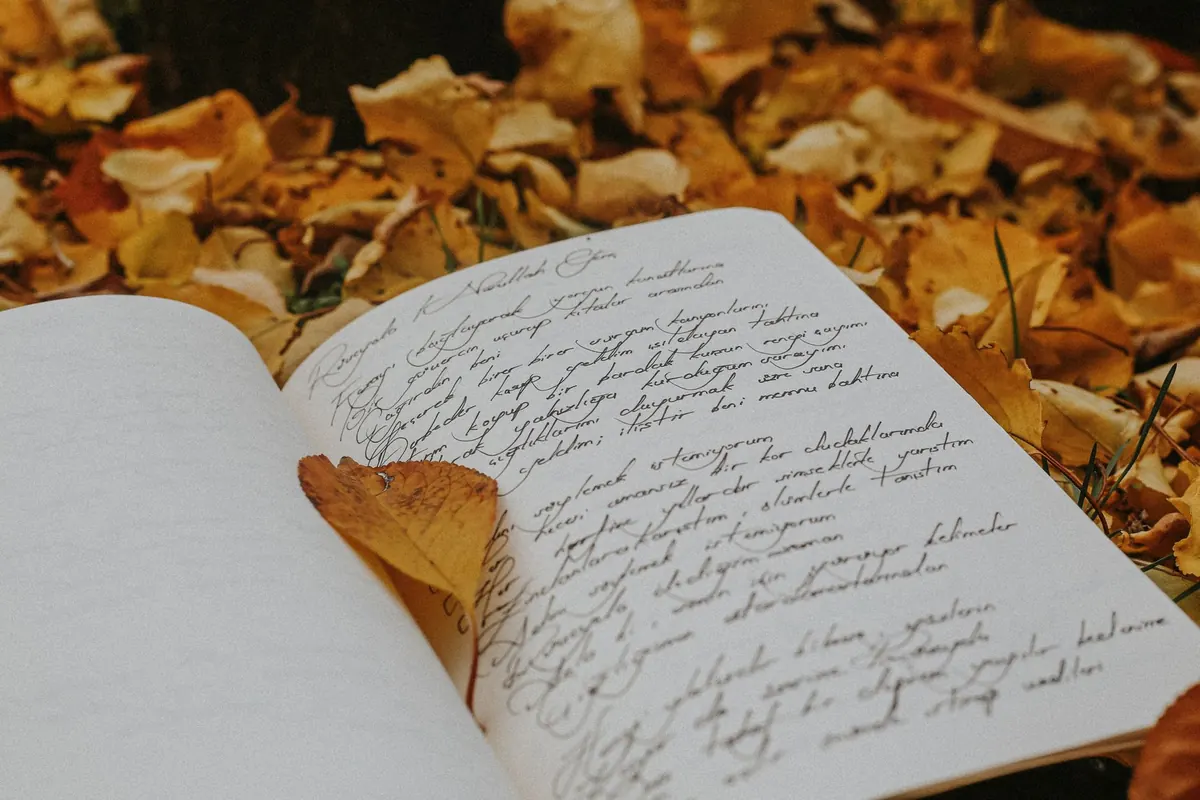
Somewhere around the fourth evening of a trip, the notebook in your bag stops being a pleasure and starts feeling like homework. You meant to write it all down. Then dinner ran long, someone suggested one more walk along the water, and by the time you reached the room the day had collapsed into a blur of steps and small pleasures you could no longer put in order. Tomorrow morning, you promise, you will catch up. You probably won't. Not out of laziness, but because a trip recorded in one heroic session three weeks later turns into headlines, and headlines are the first thing you forget.
There is a better arrangement, and it takes less discipline than you'd think. It asks for a few lines during the day and ten quiet minutes at night, and it works whether you carry a paper notebook or type everything into your phone.
Why small daily notes outlast big intentions
The reason most travel journals die on day five is that they were designed as projects. A project needs a desk, an hour, and a mood. A trip gives you none of those things. What a trip does give you is a hundred small openings: waiting for coffee, sitting on a train, lying in bed with the window open.
Use them. A five-minute entry written while the day is still warm will always beat a two-page essay written from memory. The daily version also captures the things that fade fastest — the sound of a metal shutter coming down, the exact wording of a sign, the fact that your feet hurt in a specific place. Memory keeps the shape of a trip and quietly drops the texture. The journal's only real job is to hold the texture until you get home.
So aim embarrassingly low. If an entry feels like a task, shorten it until it feels like nothing.
Catch the day while it is still small
Write a two-line note in the morning, before you leave. Where you are, what the plan is, how you slept, what you're carrying. It takes ninety seconds and does something useful: it sets a baseline, so that at night you're describing a day rather than reconstructing one from photographs.
Then keep a running list during the day. Not sentences — fragments. The name of the street where you ate lunch. The thing the bus driver said. A word you'd never heard before. Most phones have a notes app that opens faster than a camera, and a paper notebook in an outer pocket works just as well. The point is to have the raw material already gathered by evening, so the evening entry is assembly, not archaeology.
Three moments worth stopping for
- The first thing that surprised you. It's usually the most honest detail of the day, and the first to be overwritten by later impressions.
- Something a local said or did. A phrase, a gesture, the way someone handed you change.
- The small friction. The missed train, the wrong turn, the meal that didn't work. Trips remembered as flawless are trips remembered vaguely.
The three-line entry that survives a tired evening
When you're genuinely exhausted, skip the prose. Three lines will hold a day:
- Place and time. "Thursday, 7pm, the steps above the harbour." One line, nothing more.
- One moment. A single scene, written in the present tense if you can manage it. Present tense keeps you inside the day instead of summarising it.
- One detail you don't want to lose. A price, a smell, a colour, a phrase, the name of a dish.
It might look like this:
Thu, 7pm, steps above the harbour. Old man folding a newspaper into a hat for a kid who had been crying. Water smelled of diesel and something like cut grass. Coffee 1.20, taken standing.
That's fifty words. Read it in five years and the evening comes back. Read "we had a lovely evening by the harbour" and nothing does.
Caption the photos before they become anonymous
A phone full of images is not a record; it's a pile. The fix is to caption as you go, while the context is free. Open the photo, add a short note in the caption field or in a single running note titled with the date.
Good captions answer three things: who or what is in the frame, why you took it, and one sensory detail the picture can't carry. "Back street behind the market — the bakery with no sign, bought the flatbread at 9. Whole street smelled of yeast and hot oil." That's a caption. Two weeks later it's a small scene you can still use.
Don't caption everything. Choose five or six a day — the ones you'd actually show someone. And when you take a photo, hold for two seconds and notice the sound. Writing it down later, half of it is gone.
A ten-minute evening routine that actually sticks
Anchor the routine to something you already do, so it doesn't require a decision. After dinner. While the phone charges. Before you brush your teeth. Then run the same short sequence every night:
- Put the notebook or phone on a flat surface. Not in your hand on the pillow — you'll fall asleep mid-sentence.
- Write the three lines first. Place, moment, detail. Don't reread yesterday's entry; it invites comparison and editing.
- Caption five photos, no more. Skip the rest without guilt.
- Add one line about tomorrow: the thing that needs a ticket, the address, the early start. It's a journal, but it can also be useful.
- Close it. No polishing, no rewriting, no judging the handwriting.
If you're travelling with someone, split the work. One of you writes the evening entry, the other writes the morning one, and you read them to each other over breakfast. It's a pleasant ritual and it halves the effort.
What to do when a day slips past you
It will happen. The rule that saves the habit is simple: don't chase the missed day. Write one line about it the next morning and move on. A single gap is nothing. Four or five missed days in a row turn into a decision — either you abandon the journal or you sit down to reconstruct a week, which is dull work and produces dull pages.
If you do feel the need to backfill, work only from what surfaces without help. If you have to check the photos to remember what you did, that day gets one sentence and you've finished with it. On longer trips, take five minutes once a week to read the last seven entries and add a short paragraph of overview. It gives the journal a spine and makes the whole thing far easier to read later.
Keep the record small enough to keep
The best travel journal is the one you can still be bothered to write on the last night. That means short entries, a fixed time, and permission to skip anything that doesn't matter. A few lines, five captions, a note about tomorrow — that's the whole system.
When you get home, don't put the notebook away unread. Give yourself one unhurried hour within the first week: read the entries, print six photos, write half a page at the end with the things you'd do differently. Then leave it alone. You've made the record while the trip was happening instead of mourning it afterwards, and that is the entire trick.
Photo: flutie8211 / Pixabay